















X
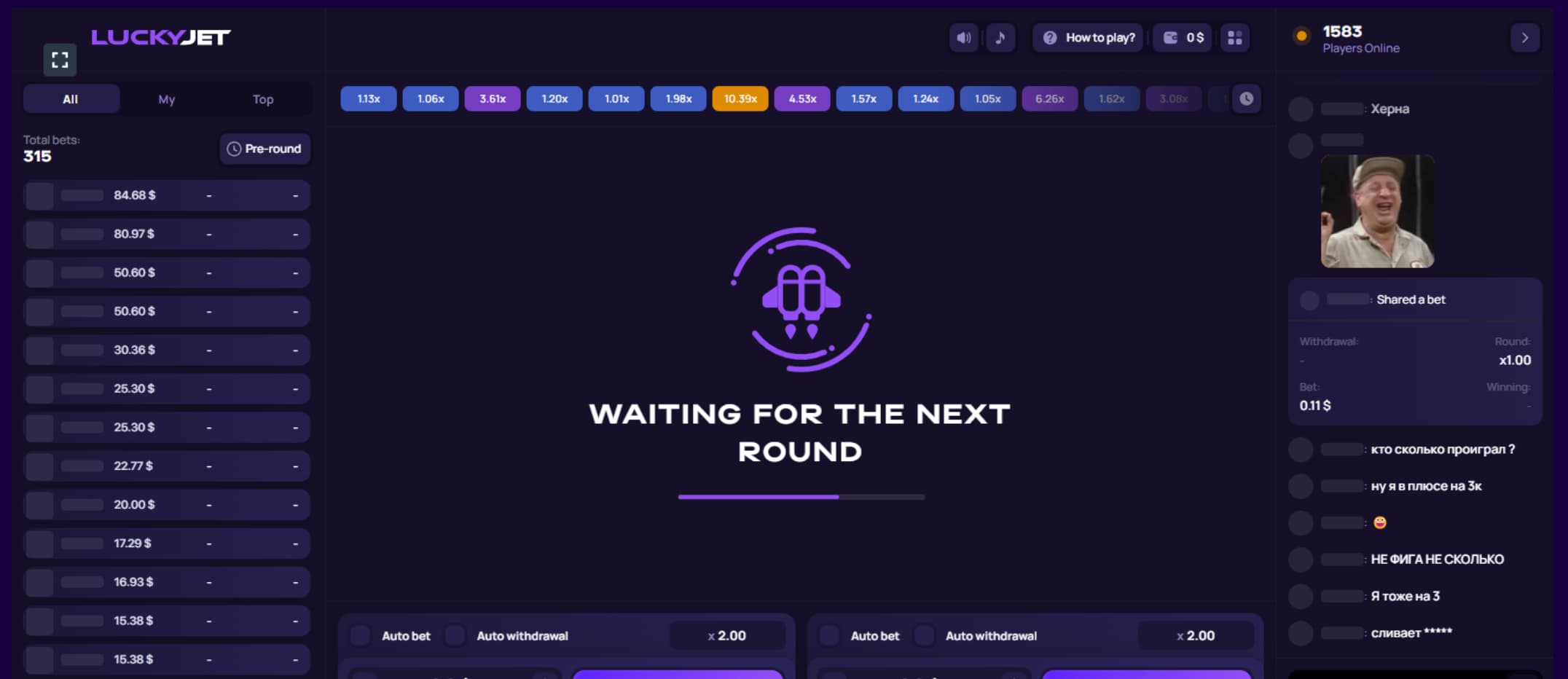
Internet gaming operates fast, and its outcomes are never guaranteed. Gamers often seek more substance than just data analysis or chasing betting patterns. They can discover a solid, age-old system in Stoic philosophy, which instructs emotional mastery, concentration, and toughness. This article looks at how the core concepts of Stoicism apply directly to playing New Players Lucky Jet Game. Taking on a Stoic mindset allows a player transform their whole strategy. They learn to face the game’s built-in highs and lows with a calm mind and a structured approach. The goal does not ensure a win every time. It’s to build an personal resilience that renders gameplay more thoughtful, more rewarding, and an ongoing practice, no matter what occurs in any single round.
The essence of Stoicism is the dichotomy of control, a principle the philosopher Epictetus brought to prominence. It establishes a boundary between what we control and what we cannot. This line is everything in Lucky Jet. We possess full control over our own actions, choices, and reactions. We choose our bet size. We determine when to cash out. We define our session limits and our overall budget. We control how much we prepare, how well we learn the game’s rules, and how faithfully we follow a strategy we chose beforehand. All other factors exists outside that circle. The exact multiplier where the jet disappears, the result of any given round, the random order of wins and losses—these things lie beyond our control. A Stoic player pours their energy solely into the first category, facing the second with calm acceptance.
This acceptance isn’t giving up. It’s an engaged, sensible recognition of how things really are. Once we truly understand that the jet’s flight path is pure chance, we quit spending emotional energy on results we can’t change. Becoming frustrated about a “near miss” or elated by a “lucky win” are just reactions to outside events. They do not reflect about our merit or our skill. The spotlight shifts to the quality of our decisions. Did we stick with our cash-out plan? Did we oversee our bankroll smartly? If we evaluate ourselves solely by these controllable factors, we create a base of discipline and self-respect that the game’s randomness cannot undermine. This change in thinking is the first and most important step in integrating Stoicism to Lucky Jet.
One core Stoic notion is “Amor Fati,” which signifies loving your fate. This extends beyond just tolerating what happens. It entails welcoming every event, good or bad, as a necessary part of the bigger picture. For someone engaging with Lucky Jet, this entails cultivating an attitude that embraces every outcome of the jet’s flight. Cashing out early for a profit and watching the jet crash before it hits your target multiplier should both be greeted with the same positive look. Each result is a piece of information, a lesson, and a integral part of the gaming session. This philosophy eliminates the harmful mindset that considers losses as purely bad and wins as the only good outcome. Instead, every round becomes a rewarding experience that teaches us something and renders our approach stronger.

Using Amor Fati transforms the emotional feel of the game. The nervous tension that often mounts as the multiplier goes up gets substituted by calm watching. When we discover to love the fate of each flight, we remove the pain out of losses and the addictive high out of wins. A loss transforms into a chance to practice bouncing back and to evaluate how solid our money rules are. A win becomes a validation that our disciplined process works, not a reason for getting carried away. This mindset fosters a long view, where the value comes from steadily applying your principles, not from the temporary result of one bet. It lets us view Lucky Jet as an exercise in character, not just a search for money.
For a Stoic, outside matters like money were “preferred indifferents.” They possess no moral value in themselves—they do not make us good or bad—but it’s normal to want them rather than not, as long as we obtain and handle them wisely. A Lucky Jet bankroll matches this description exactly. The money is indifferent. The virtue shows up in how we oversee it. Stoic gameplay, therefore, puts the highest importance on the ethical and sensible handling of funds. The aim changes from “growing the bankroll no matter what” to “handling the bankroll with wisdom, temperance, and fairness to yourself.”
This thinking requires a strictly principled system for financial stakes. We determine a separate entertainment budget, money apart from what we must have for essentials. We view it like the price of the experience itself. Inside that budget, we set firm session limits and bet sizes that are a very small part of the total. This lets us weather the volatility. The virtue is proven by following these self-made laws, not by the final number. A session where we forfeit our pre-set limit but stay precisely to our rules is, from a Stoic view, more successful than a session where we gain a lot but through reckless, uncontrolled betting. The bankroll becomes a practice field for the key virtue of temperance.
Stoická technika of “Premeditatio Malorum,” or the premeditation of problémů, means vividly imagining possible komplikace to lessen their emotional náraz and to naplánovat your reakci. For Lucky Jet, this is a key taktická pomůcka. Before starting a session, a Stoic hráč will vědomě přemýšlet about špatné scénáře. They will v duchu procvičovat a šňůru neúspěchů in a row, představit si the jet havarující at very low multipliers again and again, or předvídat the vjem of zmeškání a cash-out point by a tiny částku. This isn’t being negative. It’s a kind of citové and strategic očkování.
By čelit these possibilities ahead of time, we take away their schopnost to surprise or throw us off later. When a série proher nastane, it isn’t a devastating šok. It’s něco we’ve already thought about calmly, and we máme a plánem for it. This plánování directly shapes bankroll správu, the most hmatatelné aplikace of this konceptu. Uvědomění that nepříznivé úseky are certain, we logicky decide in předem what část of our financí to risk per hru and per vsazení. This zajistí no pravděpodobná losing šňůra can smazat our zdroje. This exercise utužuje the mysl against paniku. It udržuje our činy guided by what we naplánovali, not by the zmatek of a momentální bad smůly.
Stoic thought describes a strong mental stage called the practice of agreement. It describes the short interval between something happening and our evaluation of it. In Lucky Jet, this happens in the critical seconds as the multiplier rises. The first feeling might be covetousness (“I should let it go higher”) or dread (“I need to cash out now”). An uncontrolled mind says yes to these urges right away, causing choices that violate a plan made earlier. The Stoic player, nevertheless, introduces a pause. They detect the drive as it emerges, see it for what it is—a proposal from their feelings—and then consciously decide whether to endorse it, according to logic and their defined strategy.
This real-time mental regulation is the working essence of Stoic gaming. It prevents you from pursuing losses after a abrupt crash or boosting your bets during a winning streak. By implementing this break, we establish separation between ourselves and the raw stream of our sensations and emotions. We make room for our rational, predetermined rules to take charge. For illustration, if your strategy is to cash out at 2x, observing the multiplier attain 1.9x might provoke a strong desire to hold on. The practice of approval lets you notice that urge, name it as greed, and then purposely pick the step that matches your plan: withdrawing. This continuous, minor application of self-control is where philosophy transforms into practice on the gaming screen.
Followers of Stoicism used an practice called the “View from Above.” It was intended to provide clarity by stepping back from your current circumstances. You might envision peering down on your community, then your nation, and ultimately the entire world, observing how small your own concerns are in the grand scheme. Using this with Lucky Jet is a effective cure for the tunnel vision gaming can produce. In the middle of a playing period, one wager can feel like the most critical matter in the entirety. The View from Above reminds us that this turn, this playthrough, and even this game, is a minor, fleeting endeavor in the vast scope of our complete life.
This viewpoint helps maintain a healthy relationship with the pastime. It stops us from becoming too attached, where our self-esteem gets connected to how we perform in a contest of probability. It prompts us that Lucky Jet is merely one form of amusement out of countless, a short pause rather than a central life objective. When we step back, we observe our gambling next to our career, our relationships, our other pursuits, and our duties. This broad view naturally pushes us toward balance, improved time organization, and a sense of proportion. A setback gets put in perspective as a minor occurrence in a week loaded with other things. This practice is crucial for keeping balance and ensuring pursuing pleasure doesn’t accidentally harm alternative, more important parts of living.
The final goal of Stoic practice is to build an “Inner Citadel,” a mental fortress that keeps serene and virtuous even when outside things are chaotic. A Lucky Jet session, with its rapid rounds and varying fortunes, works as a perfect modern training ground for developing this. Each round is a drill. A climbing multiplier tests our discipline against greed. An early crash challenges our resilience against frustration. A successful cash-out challenges our humility against pride. The whole session is a ongoing practice in using the principles of control, assent, and perspective in real time. We conduct this training by keeping mindfully observant of our internal state the whole time. We watch our thoughts and feelings from a small distance, labeling them without letting them control us. We make tiny breaks between rounds to refocus, consciously letting go of the last flight’s result before beginning the next one.
This practice changes gaming from a inactive, reactive activity into an dynamic, purposeful exercise in self-discipline. The real win doesn’t appear on your balance sheet anymore. It’s registered in the quality of your attention, the steadiness of your press, and the stillness in your head as you navigate the unpredictable flight paths. The game turns into a tool for reflective practice. A Stoic method organizes the whole gaming experience into clear phases, each with its unique objective. The pre-session is for thinking and rule-setting. Here we do Premeditatio Malorum and set unbreakable financial and strategic parameters. The ongoing session is the arena for the exercise of acceptance, where we implement our strategy with sharp dispassion, noticing our drives without acting on them. The post-session is reserved for reflection, a quiet time to assess what we did against our principles, clear from the heat of the occasion.
This three-stage framework brings order to chaos. It presents Lucky Jet not as a vague activity but as a intentional practice with a beginning, a midpoint, and an end. The most underappreciated yet vital part is the contemplative pause after gaming. Here we employ the View from Above on our own conduct. We raise objective inquiries. Did I follow my guidelines? Where did my impulses feel most powerful? Did I keep my psychological stability? This isn’t a fault exercise. It’s a analytical assessment, like an sportsman analyzing game recordings. This synthesis step is where genuine growth and character growth happen. It finishes the circuit, guaranteeing every game, win or lose, helps strengthen our Inner Citadel. It makes us more composed and disciplined gamblers, and people, going forward.
The reflective pause is more than a fuzzy notion. It requires a tangible technique to work. We recommend an organized five-minute analysis done away from the game screen. First, recall the limits and core strategy you set before the session. Second, mentally go over the key decision points, especially those where you felt a powerful emotional urge, and note what you actually did. Third, compare those actions to your pre-set rules without praising or criticizing yourself. Fourth, pick out one specific observation for next time, like observing that greed feels strongest after two wins in a row. Finally, deliberately close the session, figuratively putting it to rest to stop yourself from overthinking. This disciplined reflection turns experience into wisdom. It ensures you keep moving forward in your Stoic practice.
Značným problémem in games like Lucky Jet je our human tendence of believing poznávacím omylům, like hráčský omyl nebo pocit kontroly. Stoická moudrost, se svým zaměřením na rozum and seeing reality přesně, gives pevnou defense před těmito mistakes. Hráčský omyl představuje the wrong přesvědčení, že dřívější nezávislé events mění budoucí ones, například expecting zřícení because there have been několika vydařených kol in a row. Stoicism fights this upevňováním vědomí, that each flight je samostatná náhodná událost. Its outcome je naprosto unrelated od minulých událostí dříve. Pocit kontroly is the belief, že vaše činy or rituals mohou ovlivnit the random number generator. Stoická filozofie breaks this down neustálým stahováním pozornost zpět na skutečné místo řízení: naše soudy a volby, ne algoritmus hry.
By taking in stoického závazku nahlížet svět as it is, ne jaký ho chceme mít, we protect ourselves from these klamnými myšlenkovými vzorci. Když cítíme a superstitious itch to change our cash-out point kvůli “vzorci” který jsme údajně zaznamenali, we can recognize it as just an impression k posouzení, nikoli pravdu k akci. Tento jasnozřivý realismus chrání jak our bankroll a náš duševní klid. Dovoluje nám vychutnat si opravdovou hodnotu zábavy hry—vzrušení, rozhodování, vizuální show—bez toho, abychom se stali otroky to false stories o náhodě či schopnostech tam, kde žádné nejsou. Tato pevnost nás mění z ohrožených hráčů v ukotvené pozorovatele. We play the game without being played by our own biases.
Použití Stoic philosophy ve hře Lucky Jet nabízí transformační rámec. Klade sebeovládání nad pomíjivou náhodu. By concentrating on what we can control—naše rozhodnutí, naše reakce, our preparation—osvobozujeme se obav z nahodilosti. Myšlenky jako Amor Fati a Disciplína souhlasu give practical tools for moving through the game’s volatility s klidem. Praktiky jako Premeditatio Malorum a Pohled shora zajišťují, že naše účast je trvale udržitelné and balanced. Nakonec, tento postoj předefinovává co znamená úspěch. It measures it not by money piled up, ale vybudovanou pevností, projevenou disciplínou a zachovaným klidem. Touto cestou proměňuje každou hru v příležitost for personal growth. Činí zážitek z Lucky Jet příjemnějším a vnitřně more meaningful.
X

Conectate con Nosotros
DeliveryMusic Todos los Derechos Reservados